Episode #690 Men’s Emotional Healing Begins with Acknowledgment — Ronald “Zion” Roseboro
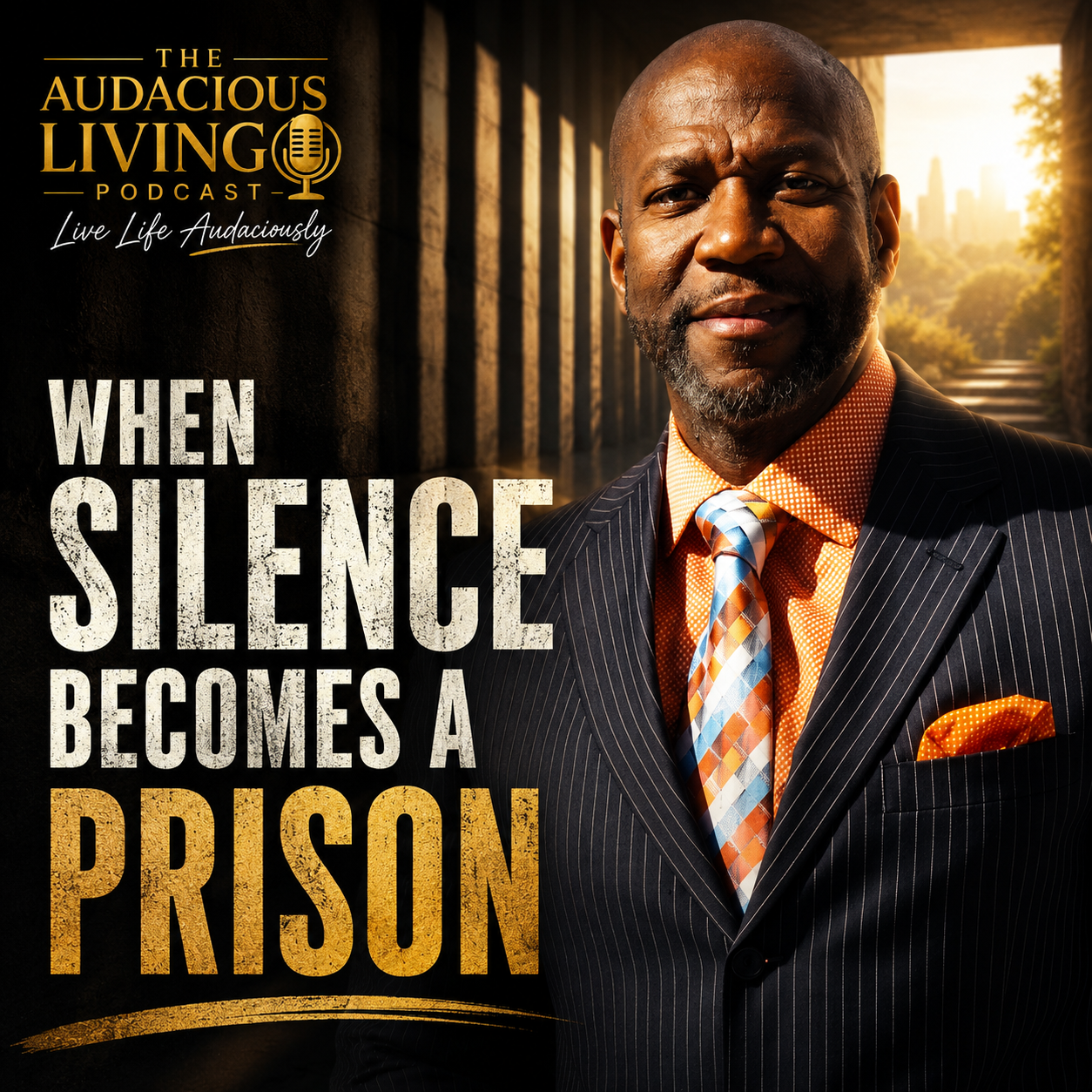
“You may not be responsible for your injury, but you are responsible for your healing”
— Ronald “Zion” Roseboro, trauma-informed coach and founder of the Samson Restored movement
_____________________
What if the freedom many men are searching for begins with finally acknowledging what they’ve spent years avoiding?
Episode Summary
There’s a line Ronald “Zion” Roseboro shared during our conversation that stayed with me: “Acknowledgement does not make you weak. Denial does.”
That idea sits at the heart of this conversation about men’s emotional healing.
Zion knows something about rebuilding. His own journey includes incarceration, questions about identity, the weight of unresolved experiences and the difficult work of figuring out who he wanted to become afterward. What makes the conversation compelling, though, isn’t simply what happened to him. It’s what he decided to do with what happened.
We explored the silence many men learn to carry—the belief that strength means keeping everything inside, continuing to work, and pretending nothing hurts. Zion calls it an “Emotional Miranda Law”: the almost automatic decision to exercise our “right to remain silent” while anger, resentment, insecurity and other unresolved issues quietly hold us hostage.
But this isn’t a conversation about staying trapped.
It’s about recognizing that your history may explain where you are without having to determine where you go next.
And sometimes the most audacious thing a person can do is finally say: Something isn’t right. I need help. And I’m ready to do something about it.
Guest Bio
Ronald “Zion” Roseboro brings an unusually personal perspective to men’s emotional healing, identity and resilience.
Following incarceration, Zion continued his education, earning a bachelor’s degree and a master’s degree in Human Services, Counseling, Crisis Response and Trauma, while pursuing additional coaching and trauma-related training. His experiences eventually became part of the foundation for helping other men rebuild their lives.
He created the **BRICK Method—Breakthrough, Resilience, Identity, Clarity and Kickstart—**as a framework for helping men rebuild “one brick at a time.” He is also behind the Samson Restored community, which creates space for men to discuss difficult experiences, support one another and develop strategies for moving forward.
Summary of Key Points
When Silence Starts Costing More Than Speaking
Men are often taught to equate strength with silence, endurance, and handling everything alone. Zion explains that this mindset can quietly build emotional pressure over time, where ignoring pain becomes normal until it can no longer be avoided.
He compares emotional warning signs to a car dashboard light—you can keep driving, but the issue doesn’t go away. Real strength, he suggests, is having the courage to notice the warning signs and address what’s underneath them.
You Can Be Successful and Still Feel Stuck
Zion shared that it’s possible to have external success while still lacking a clear sense of identity. Even with work, family, and progress on the outside, he described feeling uncertain about who he truly was.
This distinction highlights how men’s emotional healing often involves more than achievement—it requires understanding and defining identity from within, rather than relying on external validation.
Healing Was Never Meant to Be a Solo Project
Zion challenges the idea that healing should be done alone, emphasizing that support is essential alongside hope. While hope points to a better future, help provides the structure and people needed to move toward it.
Through his BRICK Method, he encourages men to rebuild their lives step by step rather than carrying unresolved experiences forward in isolation.
One Person’s Vulnerability Can Give Someone Else Permission
Zion describes how one person’s honesty in a group can open the door for others to speak. When someone shares their truth, it often creates a ripple effect that helps others feel less alone in their own experiences.
This “double courage” shows how vulnerability not only supports personal healing but can also inspire collective openness and change.
Books, Products, Resources & Special Offers
The BRICK Method
BRICK stands for Breakthrough, Resilience, Identity, Clarity and Kickstart. Zion describes it as a methodology for helping men unpack the experiences they’ve carried and intentionally rebuild their lives rather than continuing to carry the wreckage forward.
Samson Restored
Samson Restored is Zion’s community-focused initiative for men. Its purpose is not simply getting people together to talk about what happened, but creating an environment where men can explore where those experiences have left them and where they can go next.
Is There a Samson in You?
Zion shared that he wrote Is There a Samson in You? while incarcerated. The book uses the biblical story of Samson to explore identity, purpose and what can happen when a person disconnects from both.
Breaking News
Zion also turned his creativity toward spoken-word poetry. His collection Breaking News grew from poems he began writing during incarceration before later performing as a spoken-word artist. That creative chapter is also where the name “Zion” became part of his identity.
Related Blog Post
Why Identity Is the First Thing That Must Be Rebuilt After Trauma
The natural bridge between this conversation and accountability is Zion’s distinction between what happened to us and what we choose to do next.
Accountability doesn’t mean denying pain or pretending circumstances didn’t matter. It means recognizing the moment our ability to influence what happens next returns to us.
That complements Zion’s central message beautifully: acknowledgment gives us somewhere honest to begin.
Audley's Personal Insight
What stayed with me most was the distinction between responsibility for what happened and responsibility for what happens next. There’s something incredibly freeing about realizing that acknowledging a wound doesn’t give it more power—it might actually be the moment you begin taking your power back.
This conversation reminded me that audacity isn’t always loud. Sometimes it looks like acknowledging the thing you’ve spent years avoiding and deciding it will no longer dictate your future.
That idea connects deeply to Living Your Best Audacious Life Ever: How Unleashing Your Inner Greatness Can Change the World!: our past can influence us without receiving permanent authority over what comes next. If this conversation resonated with you, the book explores that journey from insight toward intentional action.
If this conversation resonated with you, the book expands on how personal courage can evolve into purposeful, service-driven action.
Best Point on Contact
Connect with Ronald “Zion” Roseboro and learn more about his work through The Shame Free Life.
Visit The Shame Free Life
Listen to The Audacious Living Podcast
Continue exploring conversations that encourage you to unlock your inner greatness and live your best audacious life.
Catch us on:
- Spotify
👉 Listen, subscribe, and share this episode to inspire someone who needs it.
__________________
#MensEmotionalHealing #MensMentalHealth #RonaldZionRoseboro #Healing #Vulnerability #Resilience #Identity #PersonalGrowth #TraumaRecovery #MensIssues #AudaciousLiving #TheAudaciousLivingPodcast #LiveAudaciously